.avif)


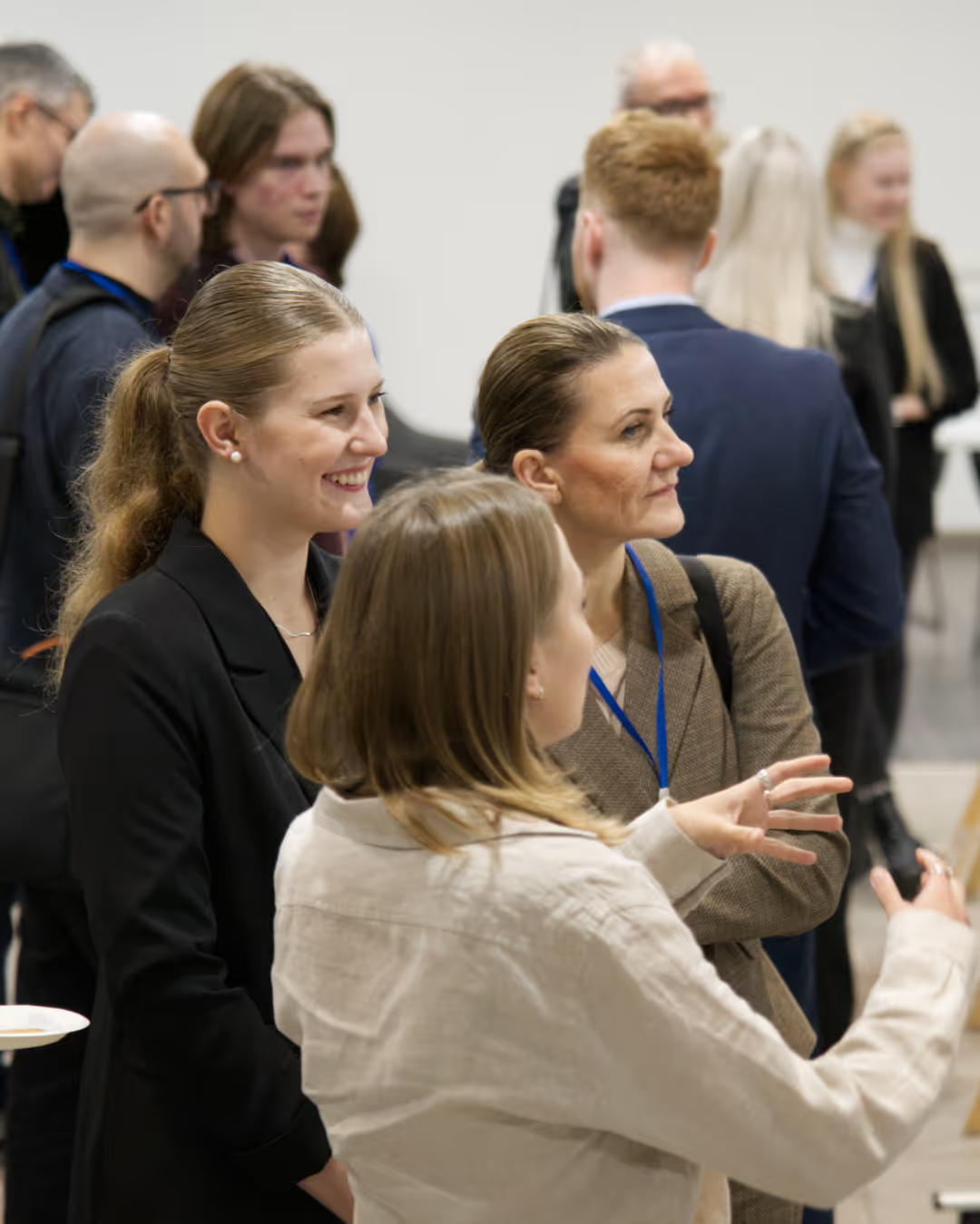
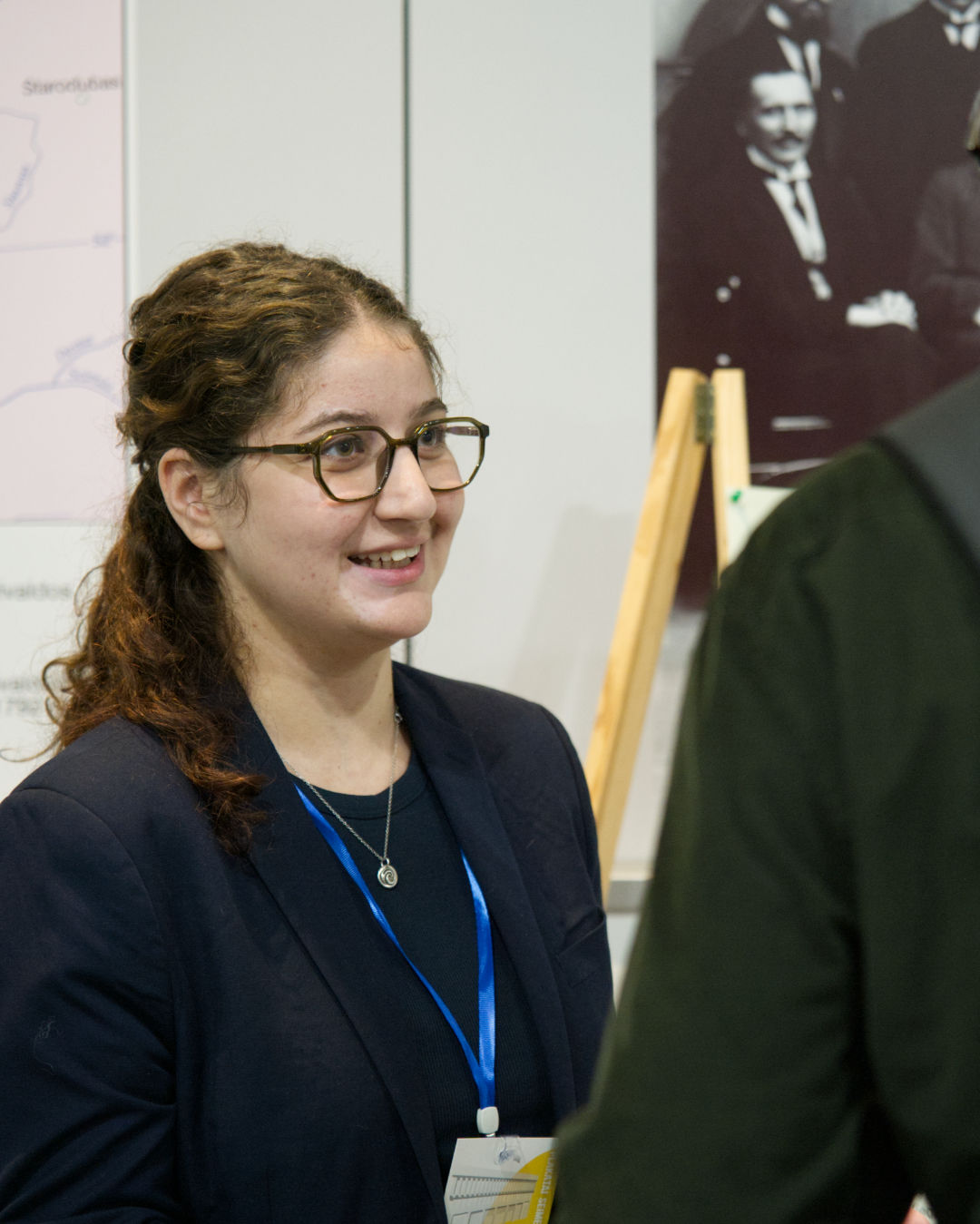
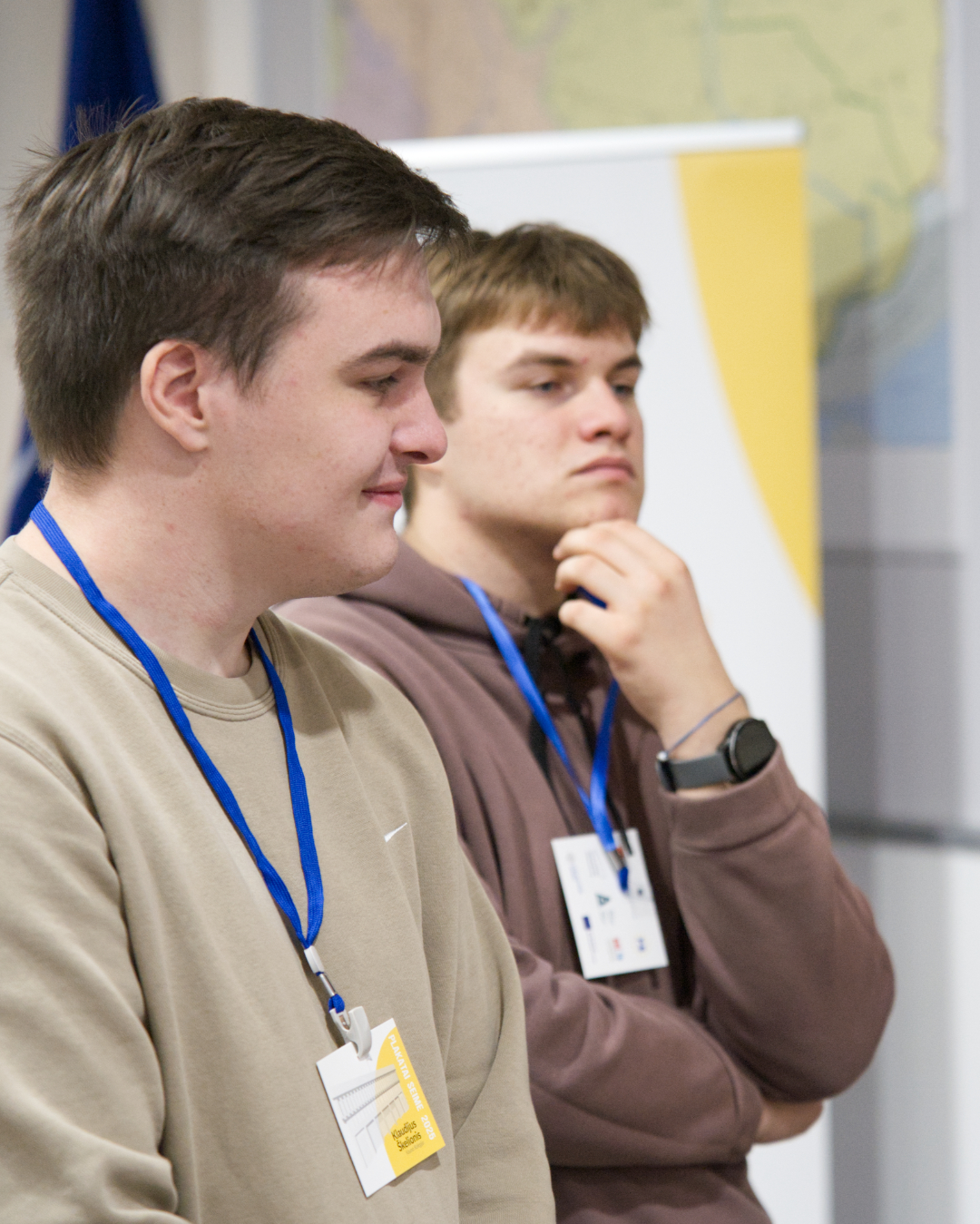
As part of the Posters in Brussels (PiB) project, this inaugural event celebrated and promoted undergraduate research by having twenty-two students from six different universities and colleges present their work in the halls of the Seimas (Parliament of Lithuania).
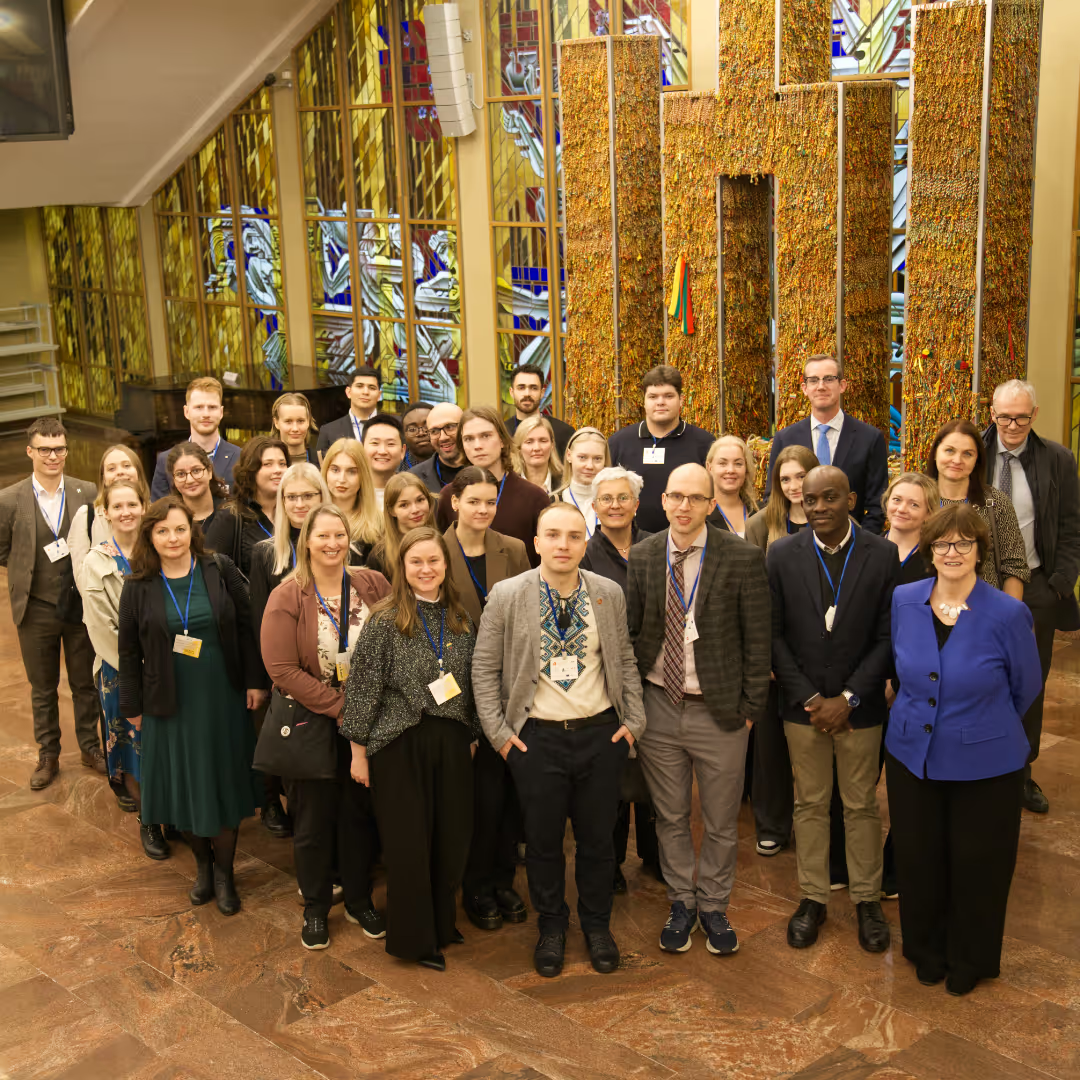
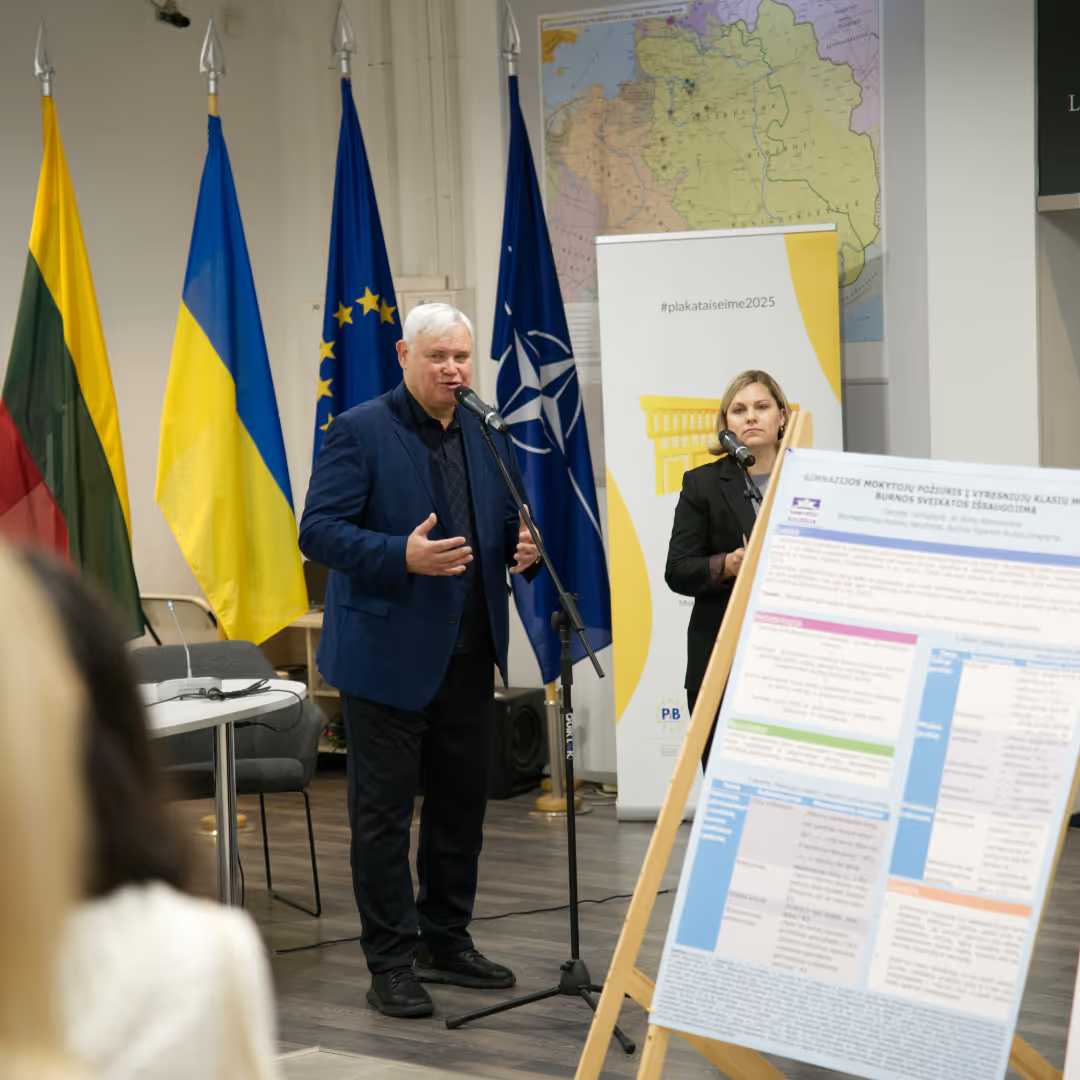
The event was formally opened by Member of the Lithuanian Parliament, Hon. Vytautas Grubliauskas, who delivered an opening speech welcoming participants and emphasizing the importance of undergraduate research in fostering civic engagement and strengthening the connection between academic inquiry and democratic participation. The research showcased diverse topics spanning business, social sciences, and policy-relevant areas, demonstrating the vital connection between academic inquiry and real-world impact.
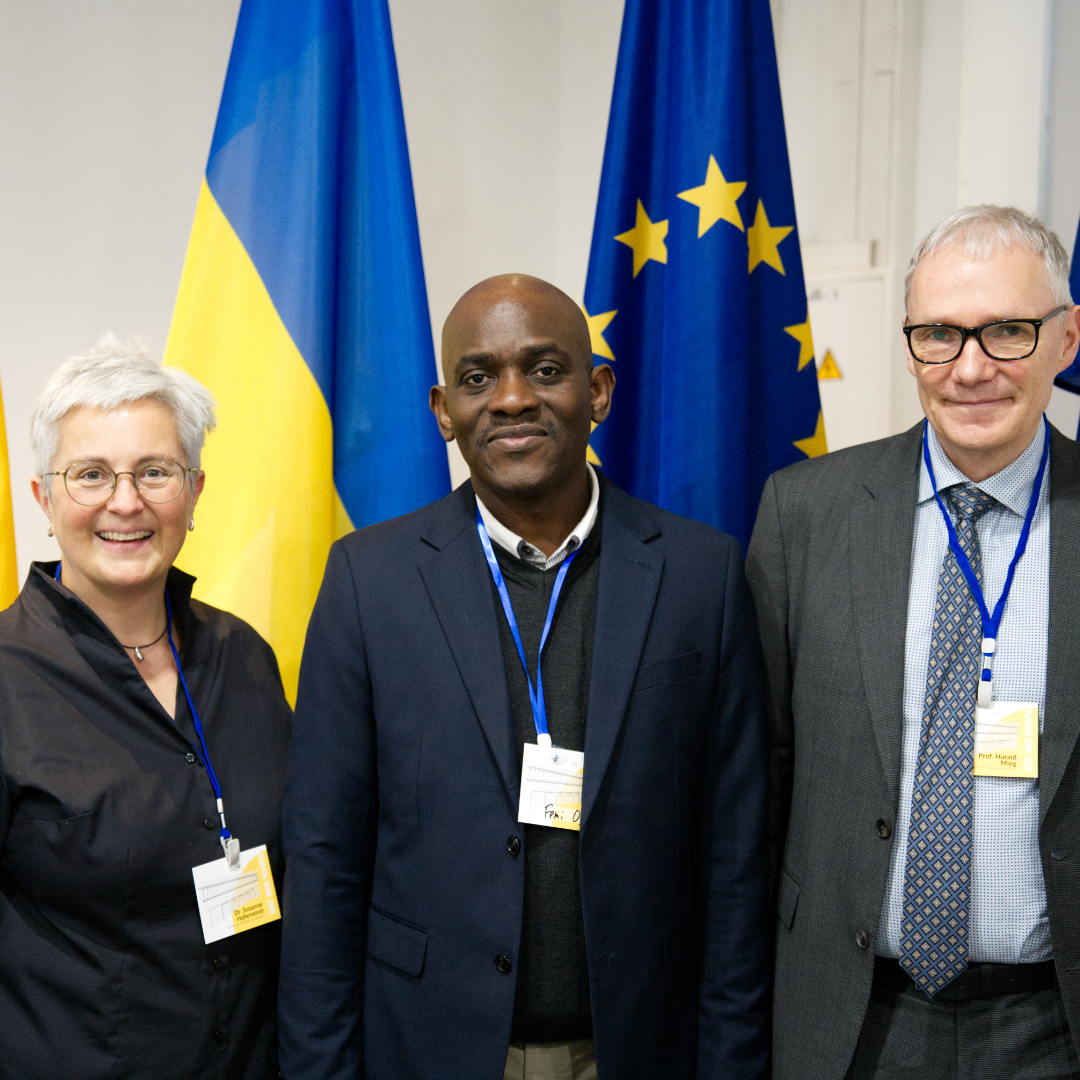
During the event, Professors Harald Mieg, Susanne Haberstroh, and Femi Odebiyi shared with the audience the history, objectives, and vision of the Posters in Brussels project. They also met with mentors and supervisors to discuss ongoing work and collaboration within the European Network on Undergraduate Research, strengthening connections between institutions committed to elevating undergraduate scholarship.
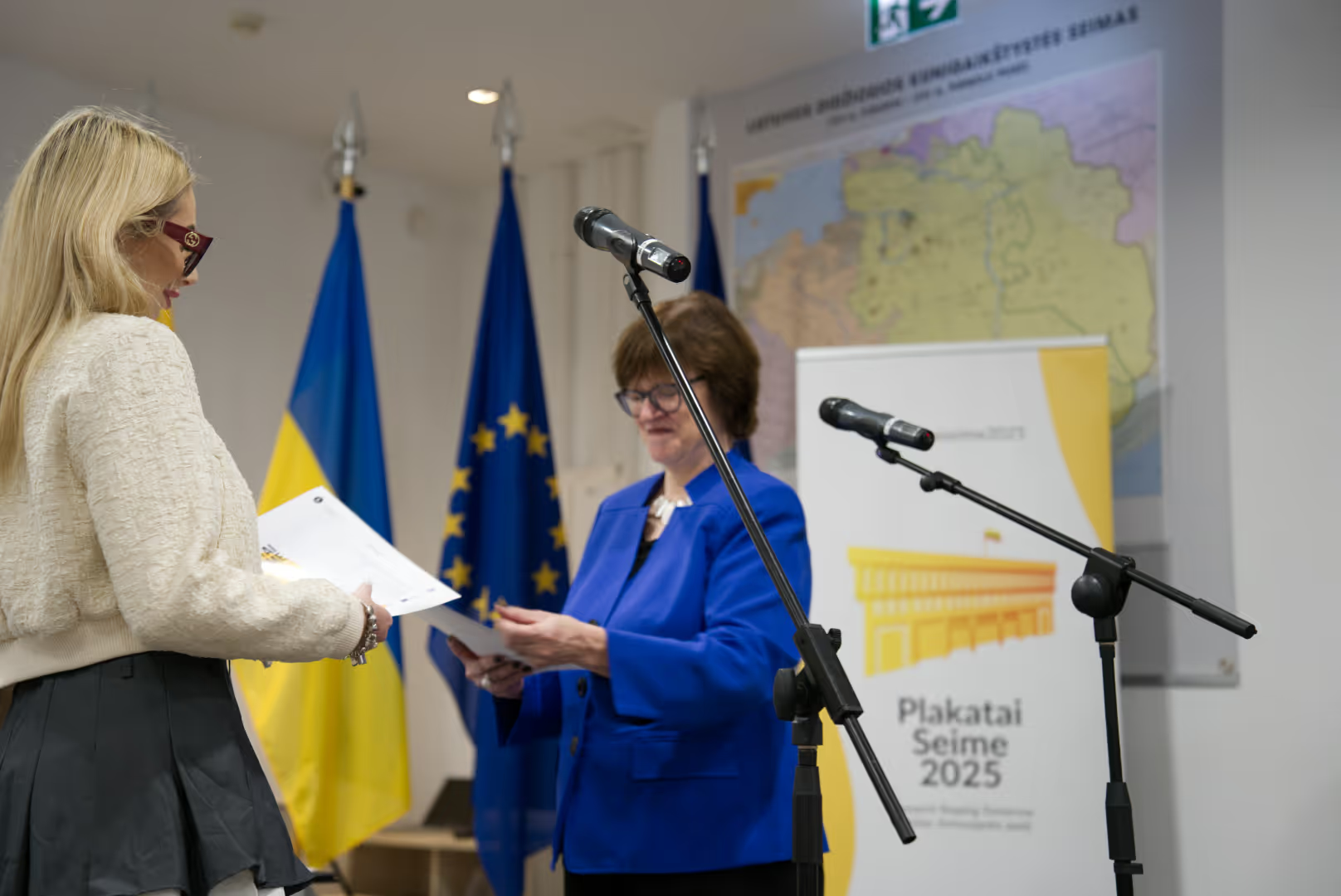
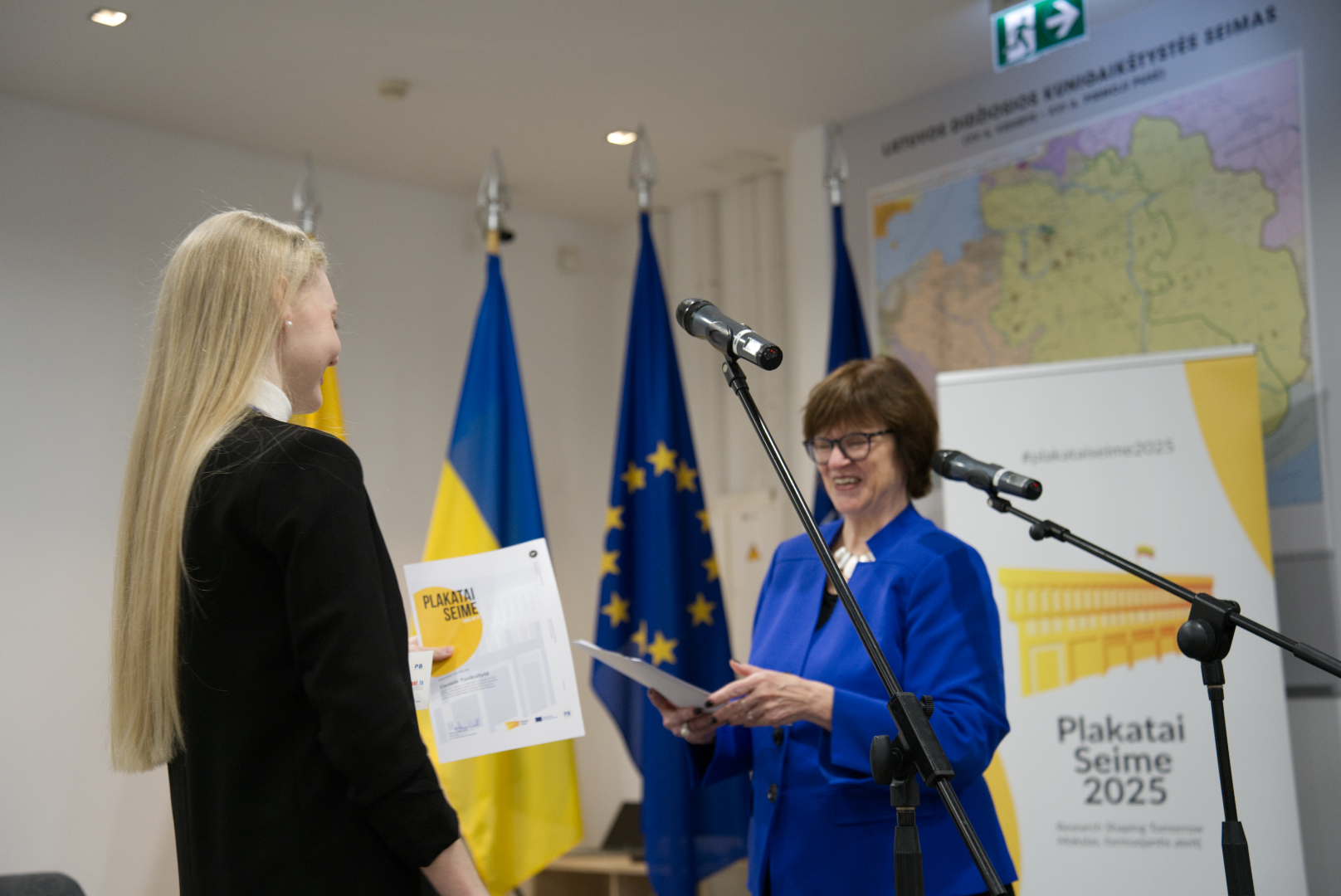
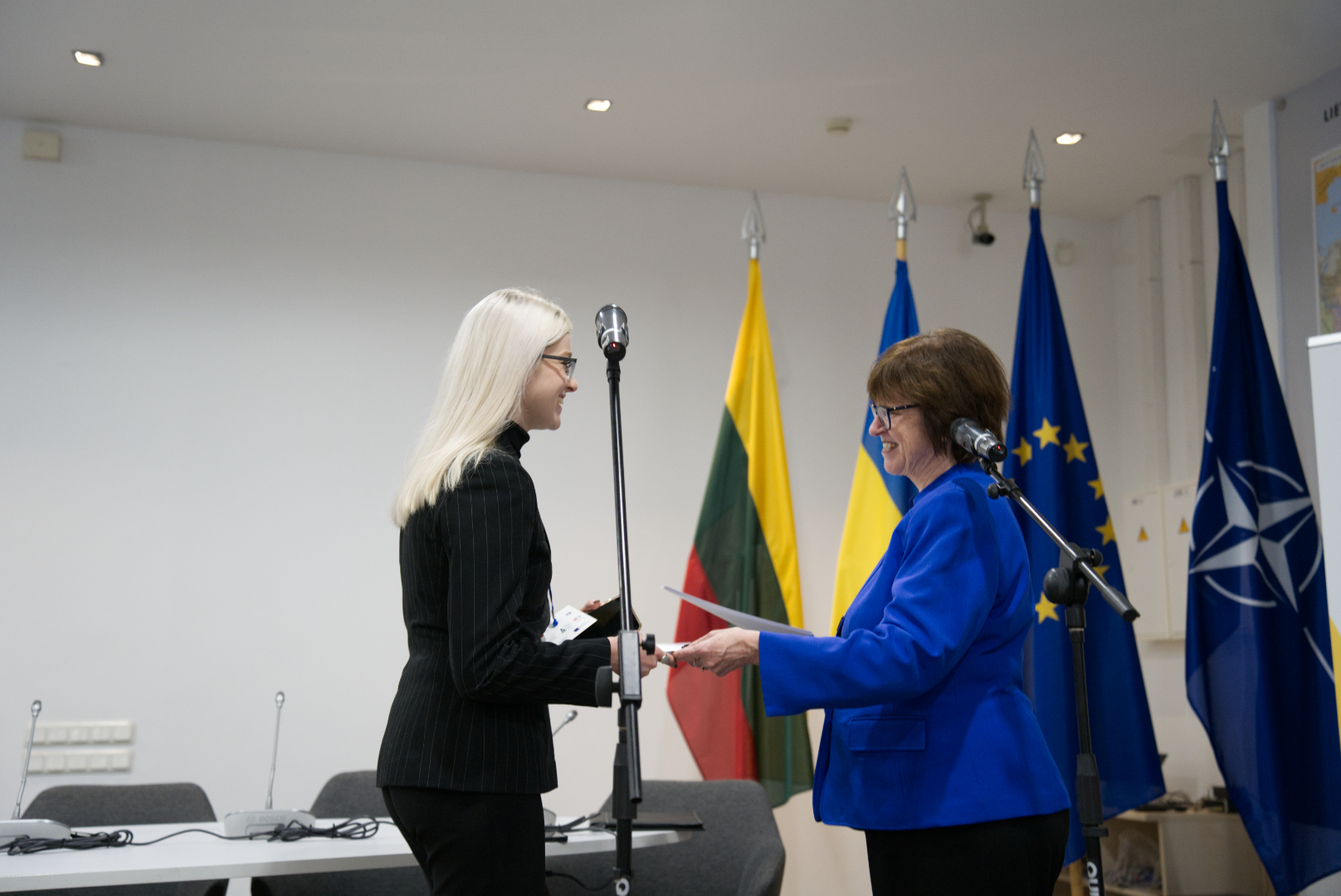
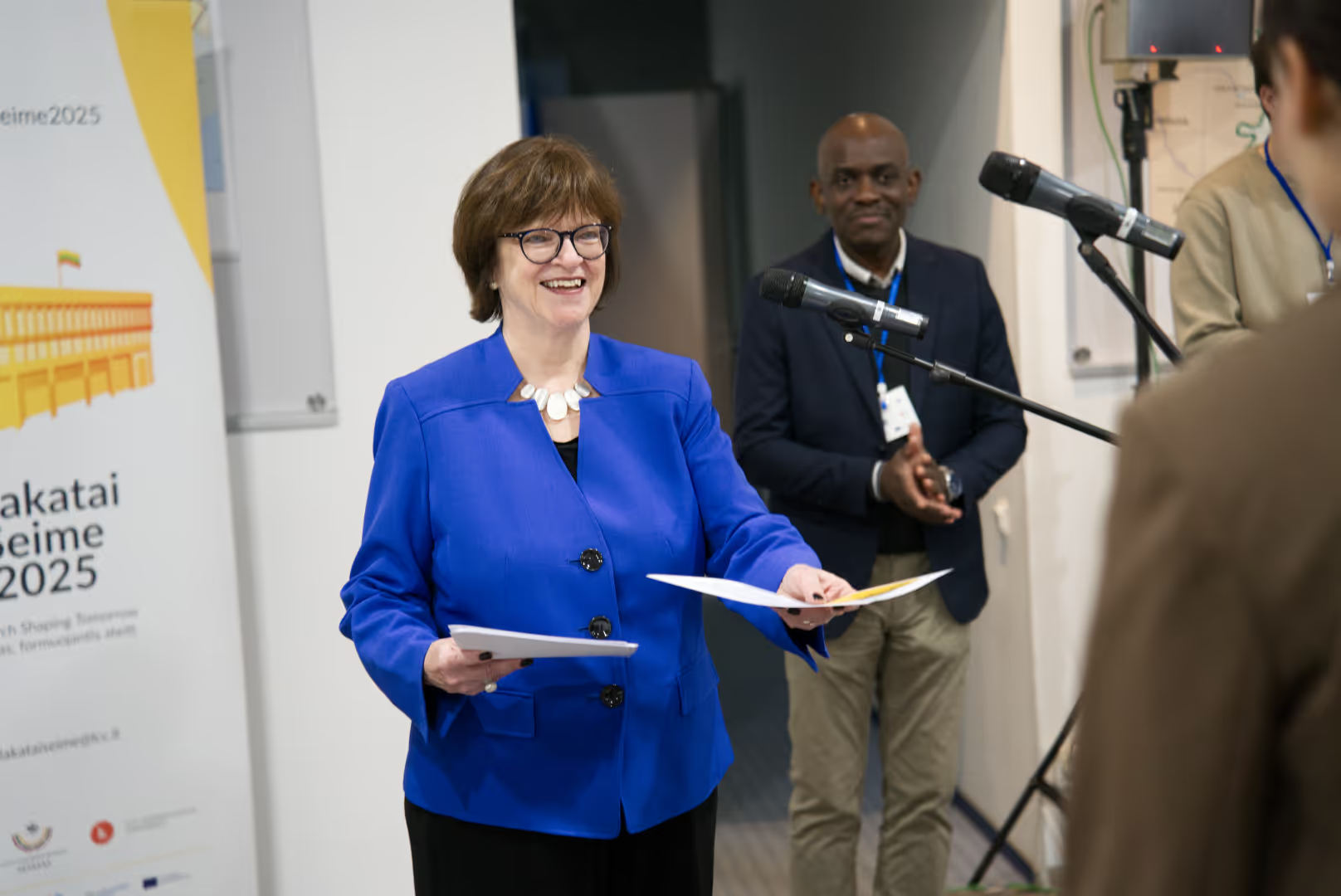
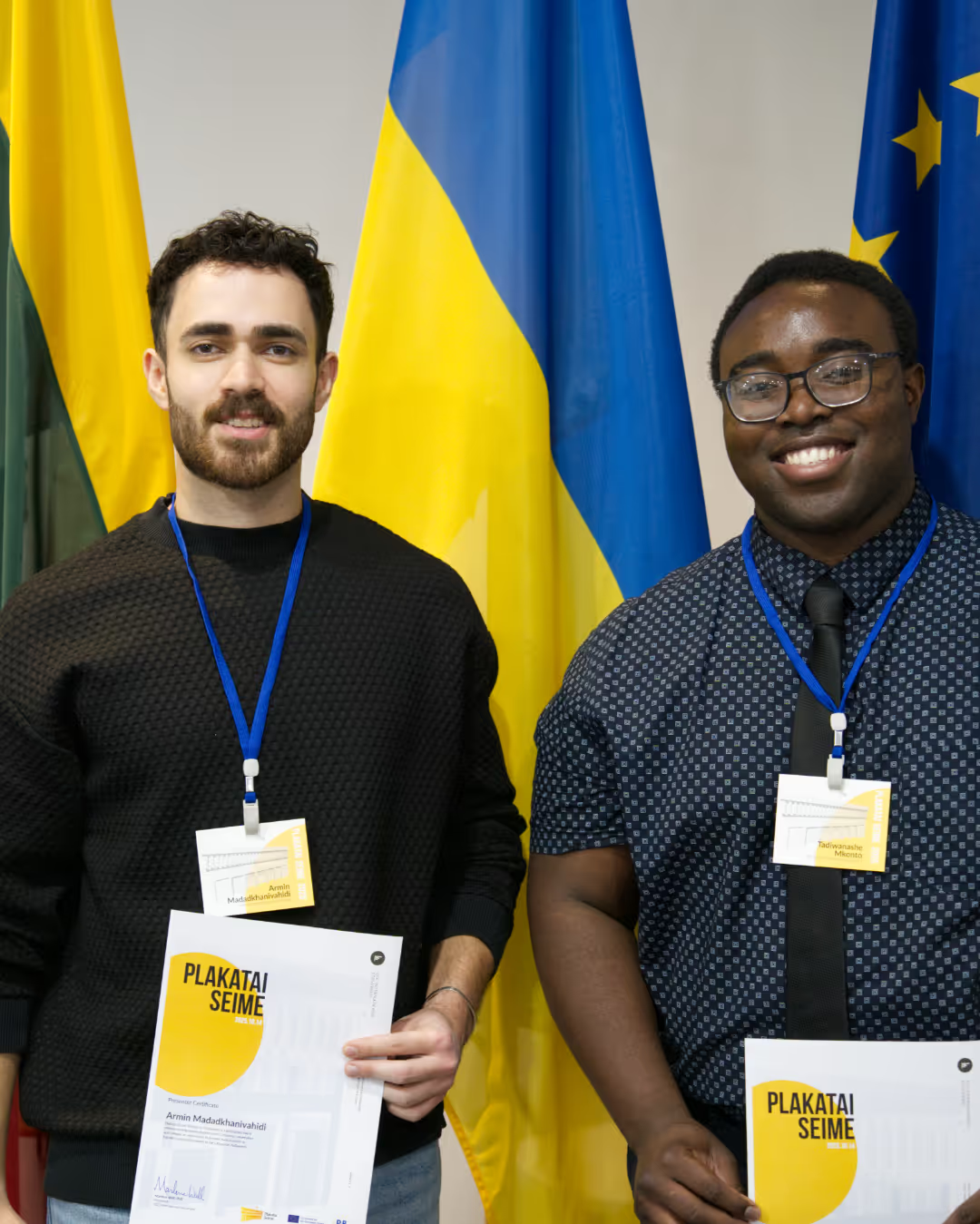
Following the poster session, Dr. Marlene Wall, President of LCC International University, presented certificates to the student presenters in recognition of their contributions to advancing undergraduate research. Participants then enjoyed a guided tour of Parliament and attended a live parliamentary session, providing deeper insight into Lithuania's democratic processes.
The response from both participants and parliamentarians was overwhelmingly positive. Students described the experience as transformative, while guests expressed genuine interest in the research presented. This successful inaugural event represents an important step in fostering dialogue between academia and policymaking, empowering undergraduate students to see themselves as active contributors to a democratic society.
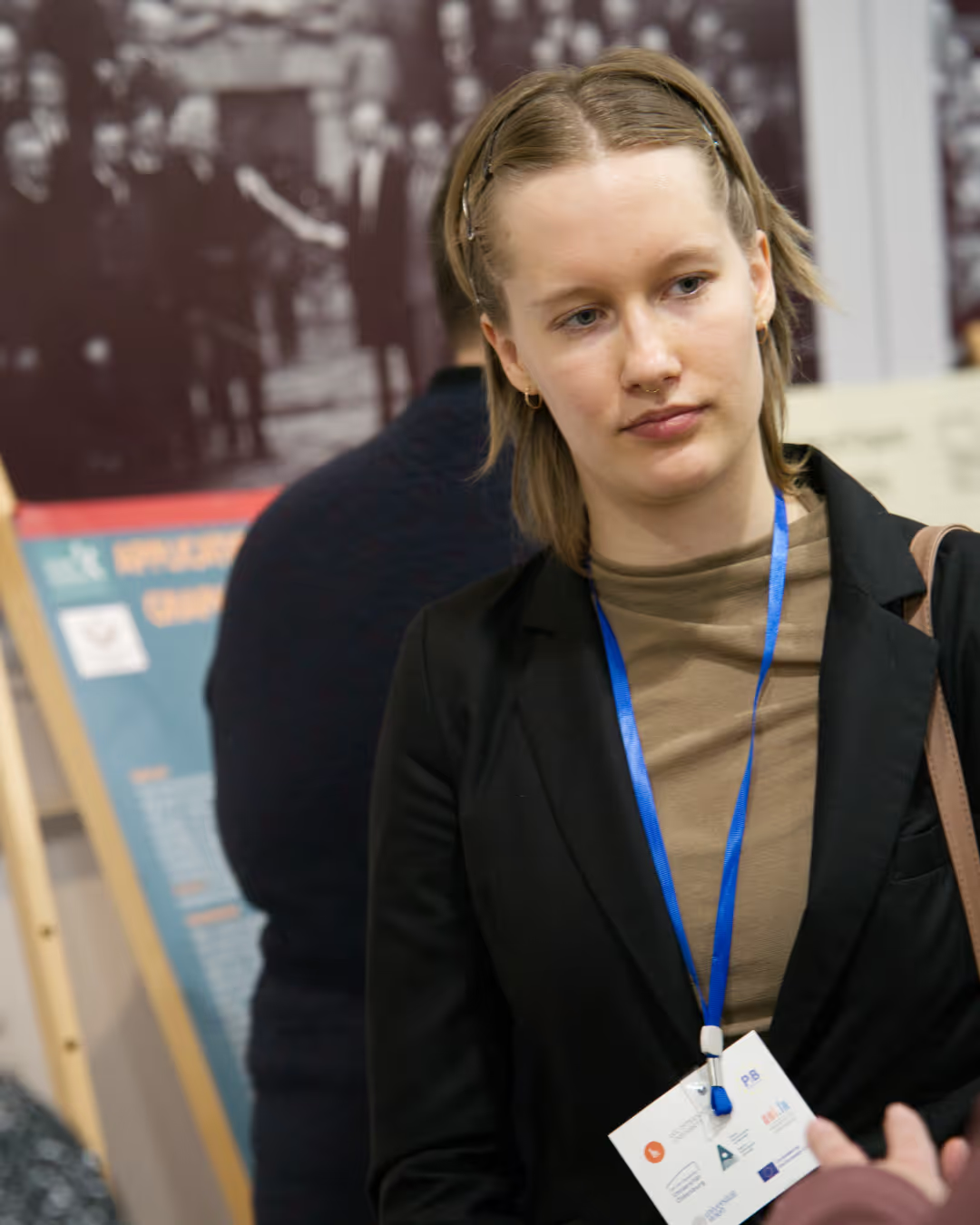
My research introduces a policy allowing paid time off for menstruation-related issues, and its implementation in Lithuania as a necessary policy to support employee well-being, promote gender equality, and enhance workplace productivity. Drawing on international examples from Spain, Japan, Australia and supported by recent research on menstrual health and labor outcomes, the paper highlights how menstrual pain and related symptoms significantly affect employees’ performance and mental health. It further examines economic and social concerns, demonstrating that the potential costs of menstrual leave are outweighed by benefits such as reduced absenteeism, increased efficiency, and improved job retention. By recognizing menstrual health as a legitimate workplace issue, Lithuania can move toward a fairer, healthier, and more inclusive labor environment aligned with modern principles of gender equity and employee welfare.
Nuolat modernėjančiame pasaulyje, atsirandančių gazuotų gėrimų įvairovė, lemia didesnį vartojimą bei lengvesnį įsigijimą tarp visuomenės. Remiantis informacija, toks gazuotų gėrimų padidėjimas, siejamas su daugybe neigiamų padarinių sveikatai (Smith & et al., 2024). Tyrimo rezultatais, gausus gazuotų gaiviųjų gėrimų vartojimas padidino dantų erozijų, dantų struktūrų irimo bei mechaninių ir fizinių emalio savybių pasikeitimą (Inchingolo & et al., 2023). Visa tai rodo, kad gazuotų gėrimų tema yra aktuali, norint turėti sveikus dantis ir gražią šypseną.
Phosphonic acid derivatives incorporating carbazole chromophores have become a widely adopted choice for the fabrication of perovskite solar cells. Recent studies have shown that extending carbazole core via π-expansion significantly enhances both device efficiency and stability compared to the benchmark compound 2PACz [1]. A key characteristic of π-expanded carbazole systems is their reduced molecular planarity due to increased steric hindrance, which enables the formation of two helically chiral isomers. However, in the case of such structurally simple compounds, enantiomeric separation remains unfeasible due to rapid racemization. Introducing chirality opens up the potential for exploiting the chiral-induced spin selectivity (CISS) effect, offering prospects for novel applications in spintronic and optoelectronic devices [2]. This highlights the need to design materials that not only possess chirality but also fulfill the stringent electronic requirements of semiconductor applications. Inspired by these considerations, we have investigated various synthetic approaches to further expand the π-system and construct chiral, helically twisted molecules capable of forming hole-selective monolayers. Synthesized racemic compound was tested in the p-i-n perovskite solar cell (ITO/SAM/3CAT/C60/BCP/Ag) and compared with 2PACz and MeO-2PACz. This report presents preliminary findings on the synthesis and characterization of these compounds.
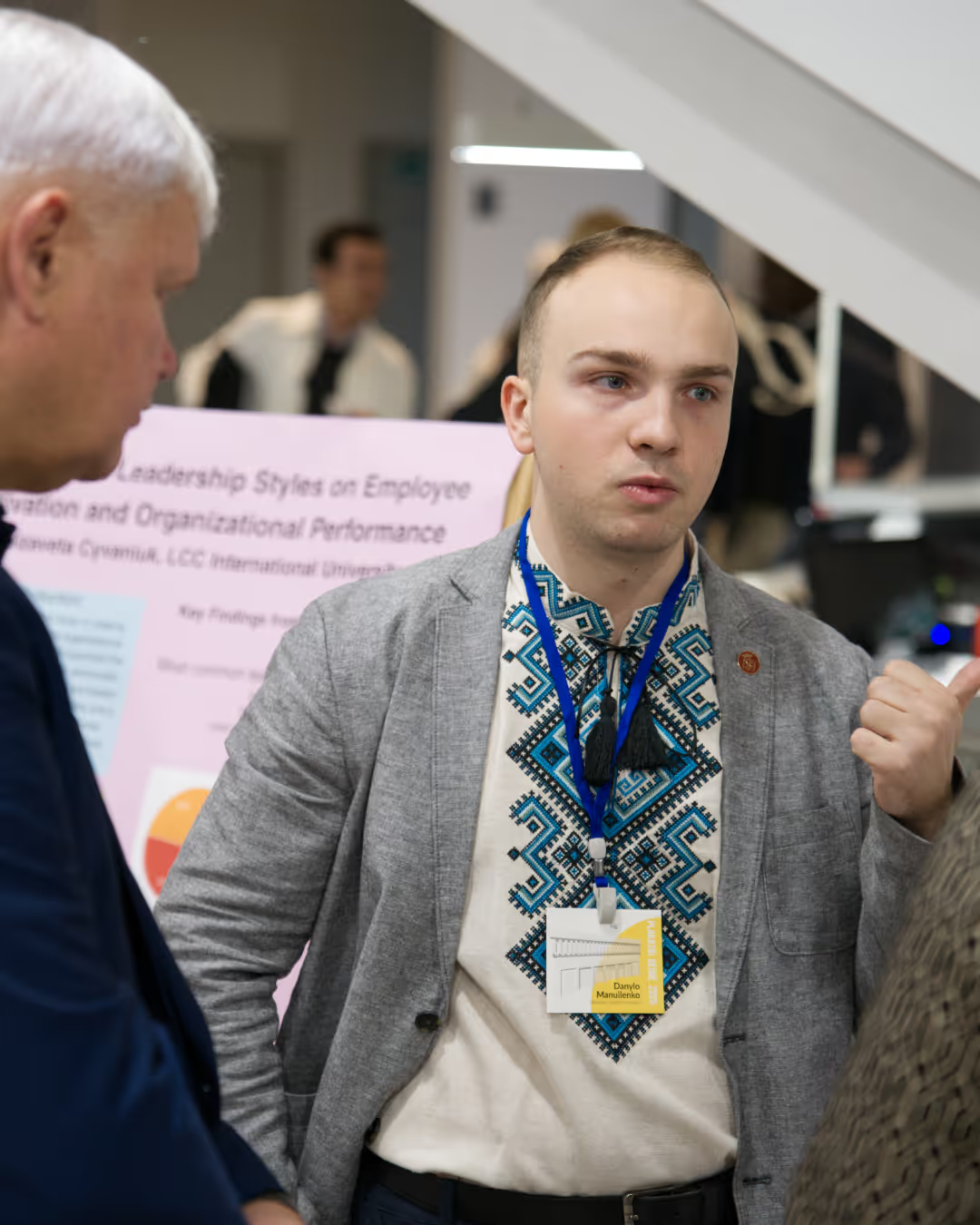
This research explores the impact of various leadership styles—autocratic, democratic, transformational, transactional, and laissez-faire—on employee motivation and organizational performance. Using both primary data collected through a questionnaire among LCC International University students and secondary data from academic sources, the study identifies which leadership approaches most effectively foster motivation and productivity. The findings reveal that democratic and transformational leadership styles are the most influential in enhancing employee engagement, satisfaction, and performance, as they emphasize participation, inspiration, and professional growth. Conversely, autocratic and laissez-faire styles were associated with lower motivation and less effective organizational outcomes. The study concludes that successful leadership requires flexibility and alignment with employees’ individual needs and organizational contexts. Leaders who balance clear direction with empowerment and emotional intelligence can significantly improve both motivation and performance within their teams.
With the increasing life expectancy, the issue of healthy aging and bone tissue degeneration is becoming more relevant. Therefore, much attention is focused on developing innovative biomaterials for bone regeneration. Monetite (CaHPO₄) is a biocompatible calcium phosphate that dissolves under physiological conditions, making it suitable for bone substitute materials. Incorporating iron ions into the monetite structure can enhance biological properties such as osteoblast activity and mineralization. Microwave synthesis offers significant advantages as it is a rapid, solvent-free, and controllable process for obtaining materials with desirable characteristics. The findings of this research are relevant to the development of advanced materials for bone tissue engineering and regenerative medicine applications.
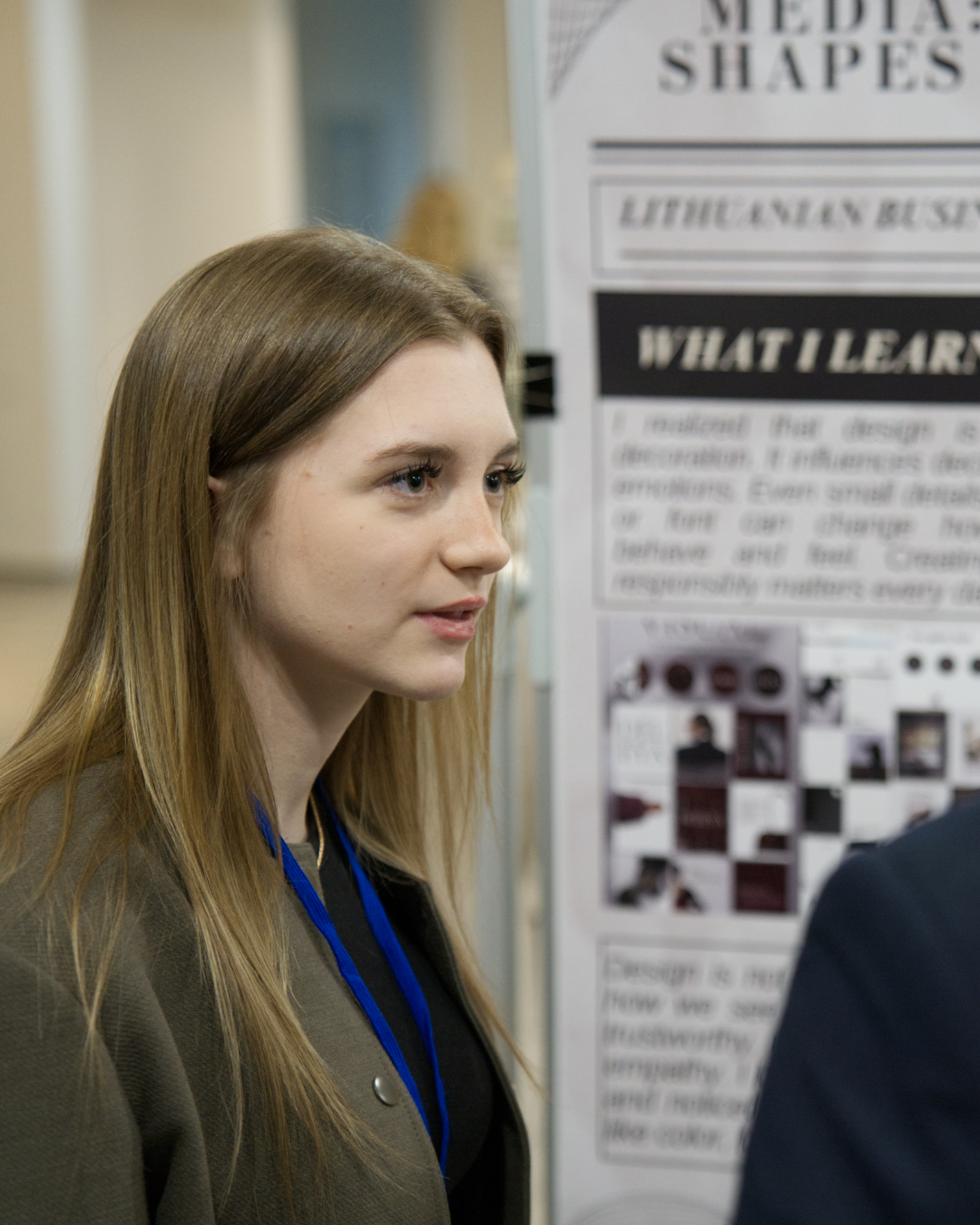
Research project “The Influence Of Visuals On Social Media: How Design Shapes User Choices” explores how visual design elements affect people’s emotions and decisions online. In today’s digital world, visuals surround us everywhere, and the way things look often determines what we notice, like or buy. Through visual analysis, I examined how colour, composition and typography influence audience perception and behaviour. The study found that bright, contrasting colours attract more engagement, while minimalist layouts tend to create a sense of trust and professionalism. This research shows that design is not just about aesthetics but a powerful communication tool that shapes how we think, feel and interact in digital spaces. It highlights the responsibility designers have in creating meaningful and ethical visual content.
Drowning remains a major public health concern in Lithuania, with rates among the highest in the EU. To address this, we developed a Search & Rescue Buoy Drone aimed at improving water rescue operations through real-time monitoring, rapid response, and flotation device delivery. The prototype was engineered using iterative design, with 3D modelling and simulation in SolidWorks, a carbon-fiber frame, 3D-printed joints, and integration on the BetaFlight platform. A CNC-machined foam buoy provided water stability. Flight tests demonstrated 25 minutes of operation, confirming system functionality, while water trials validated buoyancy. Future work will focus on enhancing structural strength, aerodynamics, and power endurance. Supported by analysis of Lithuania’s rescue framework, legal considerations, and market viability, this project offers a practical proof of concept for deploying autonomous drones in emergency response.
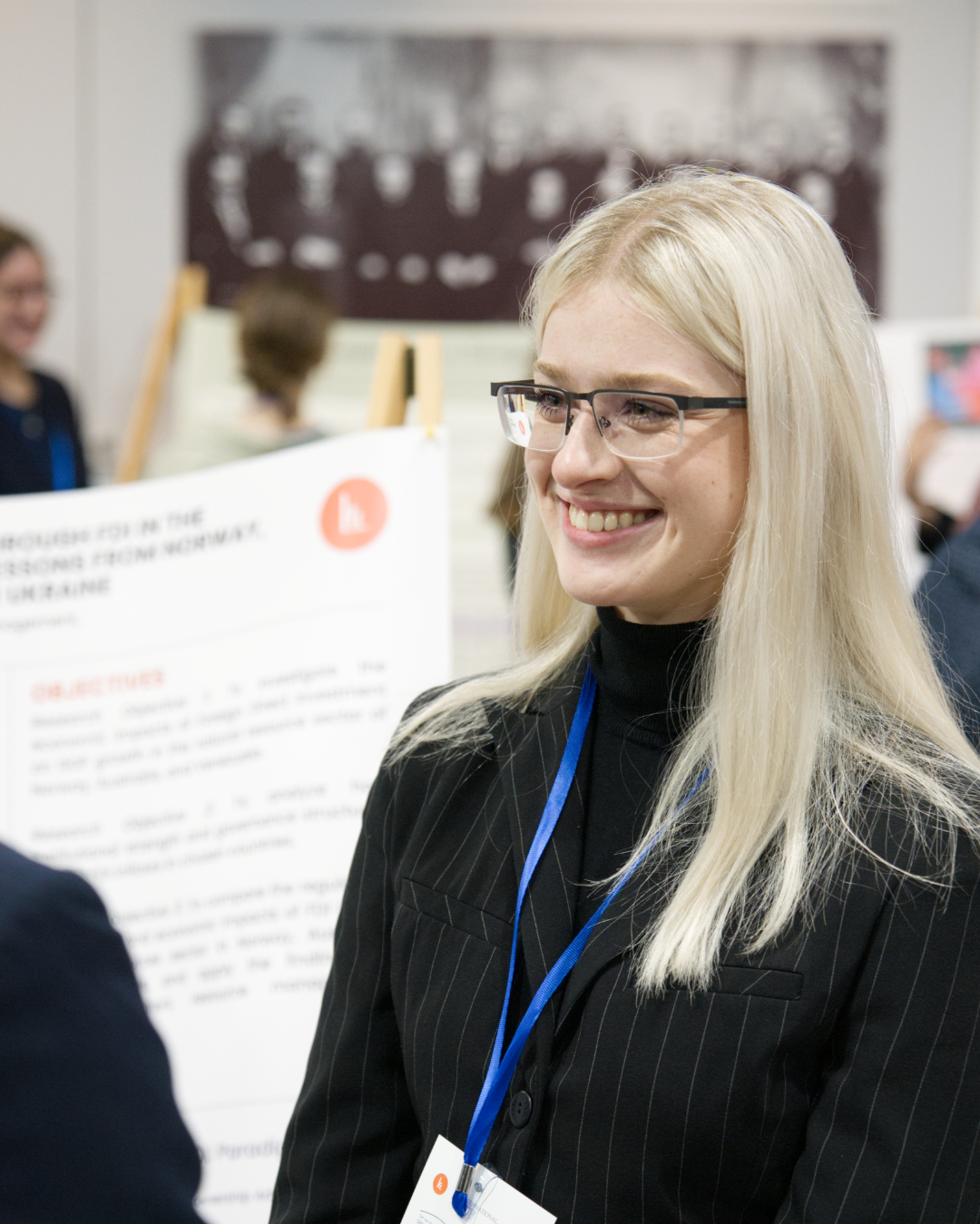
The ultimate goal of my thesis is to identify effective regulatory frameworks for attracting foreign direct investment in the natural resource sector and assess their economic impacts to improve Ukraine's resource management. Currently, I am on the data collection stage, and the period I am focusing on is from 2015 to 2021, covering 7 years in total. I plan to first discover the impact of Foreign Direct Investments in the natural resource sector in Australia and Norway. Then, I aim to analyse how institutional strength and governance structures impact FDI inflows in chosen countries. Later, I will also look at the qualitative objective of comparing the regulatory frameworks in Norway and Australia through the use of Comparative Policy Analysis, with the purpose of with the findings to improve Ukraine’s resource management strategies.
This study aims to determine the extent to which the ideological positions of national political parties in EU member states influence their support for Ukraine. In particular, it seeks to reflect the variation in the willingness to undertake a range of assistance measures, stemming from broader trends in party competition. To this end, through statistical analysis, the research demonstrates the ideological context within which support for Ukraine fluctuates, identifies the differences in party families' attitudes towards this issue, and outlines the significant components for assessing the level of party commitment to assistance. While responses to the invasion are often explained by the role of Euroscepticism and populism in party rhetoric, pro-system actors tend to remain overlooked. The study addresses this gap and shows that the divide in attitudes towards Ukraine emerges not only between moderate and radical political forces, but also within each of these groups. As a result, a party's level of support for Ukraine is determined by its stance on a set of components across all dimensions of ideological contestation.
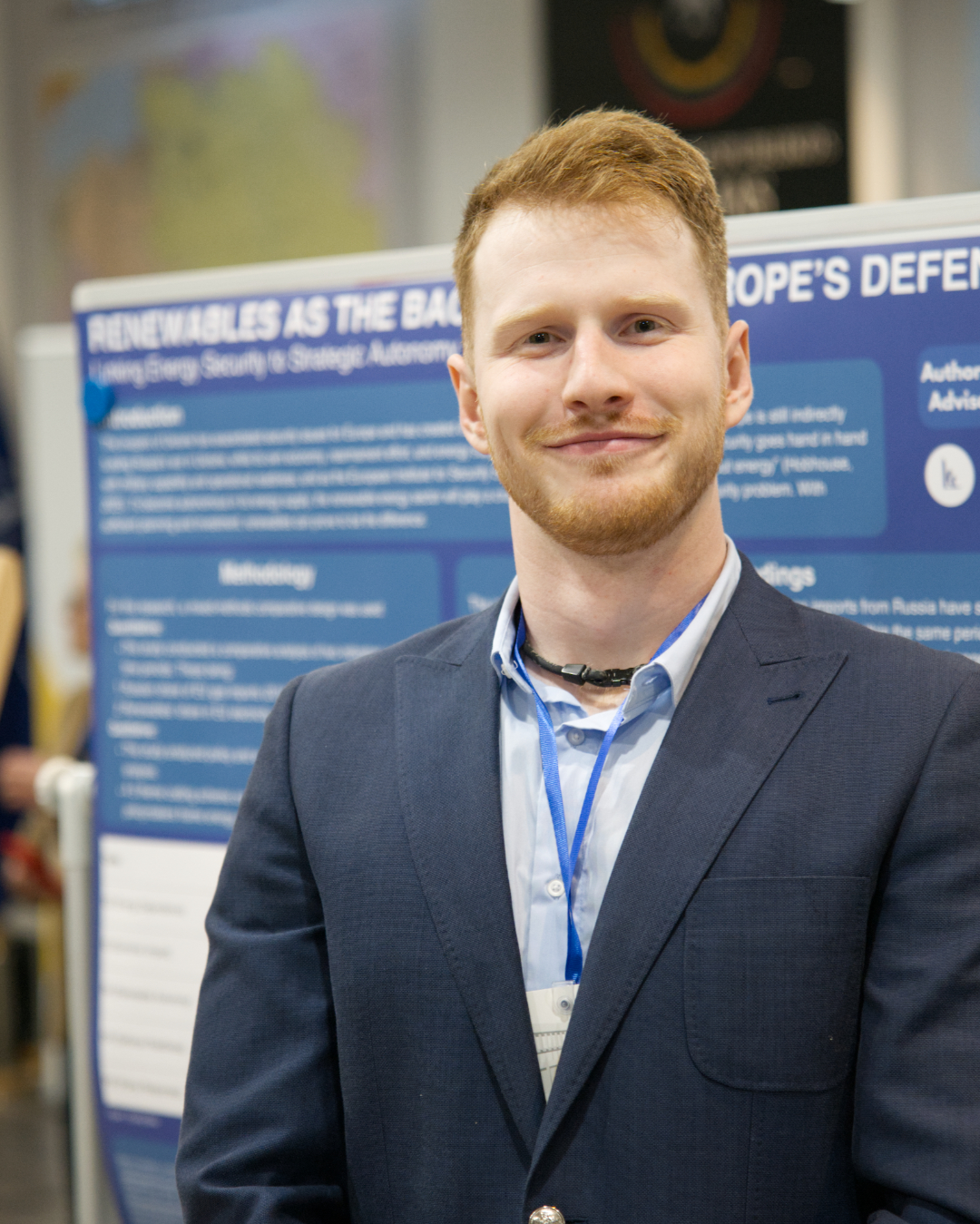
This research explores the connection between the EU renewable energy expansion and European energy security and resilience, analyzed through a mixed methods approach. It argues that renewable energy is not only a tool for reaching climate goals, but also a vital strategic asset with which Europe can achieve energy autonomy. Using both qualitative and quantitative data, this research combines a limited document analysis of EU documents regarding energy security with a quantitative analysis of Russian gas imports and renewable electricity generation before and after the beginning of the invasion of Ukraine. The findings show that despite reducing imports on Russian gas, the EU still relies on Russia and other importers for its energy needs, and shows, that renewable energy could be the key to achieving strategic autonomy.
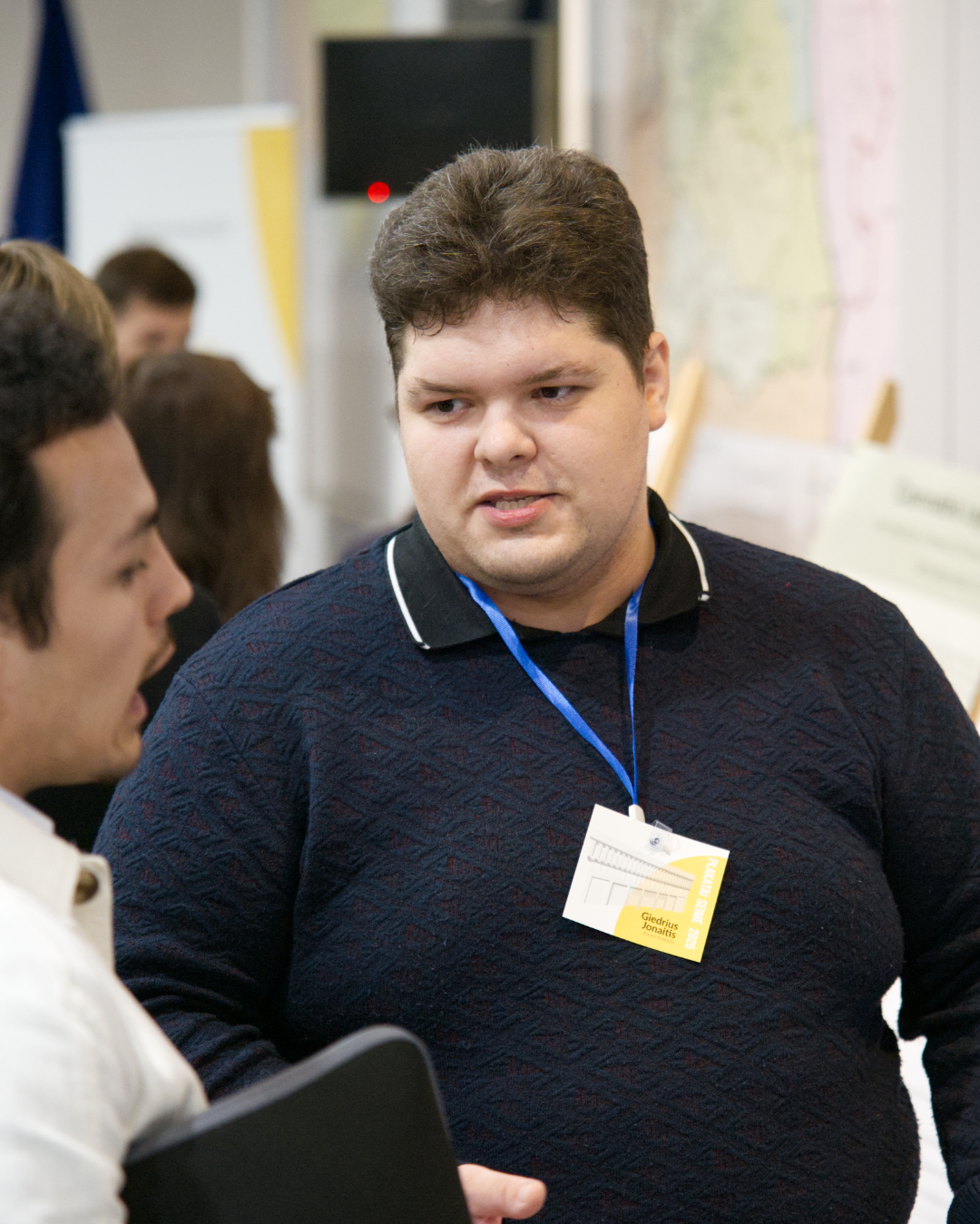
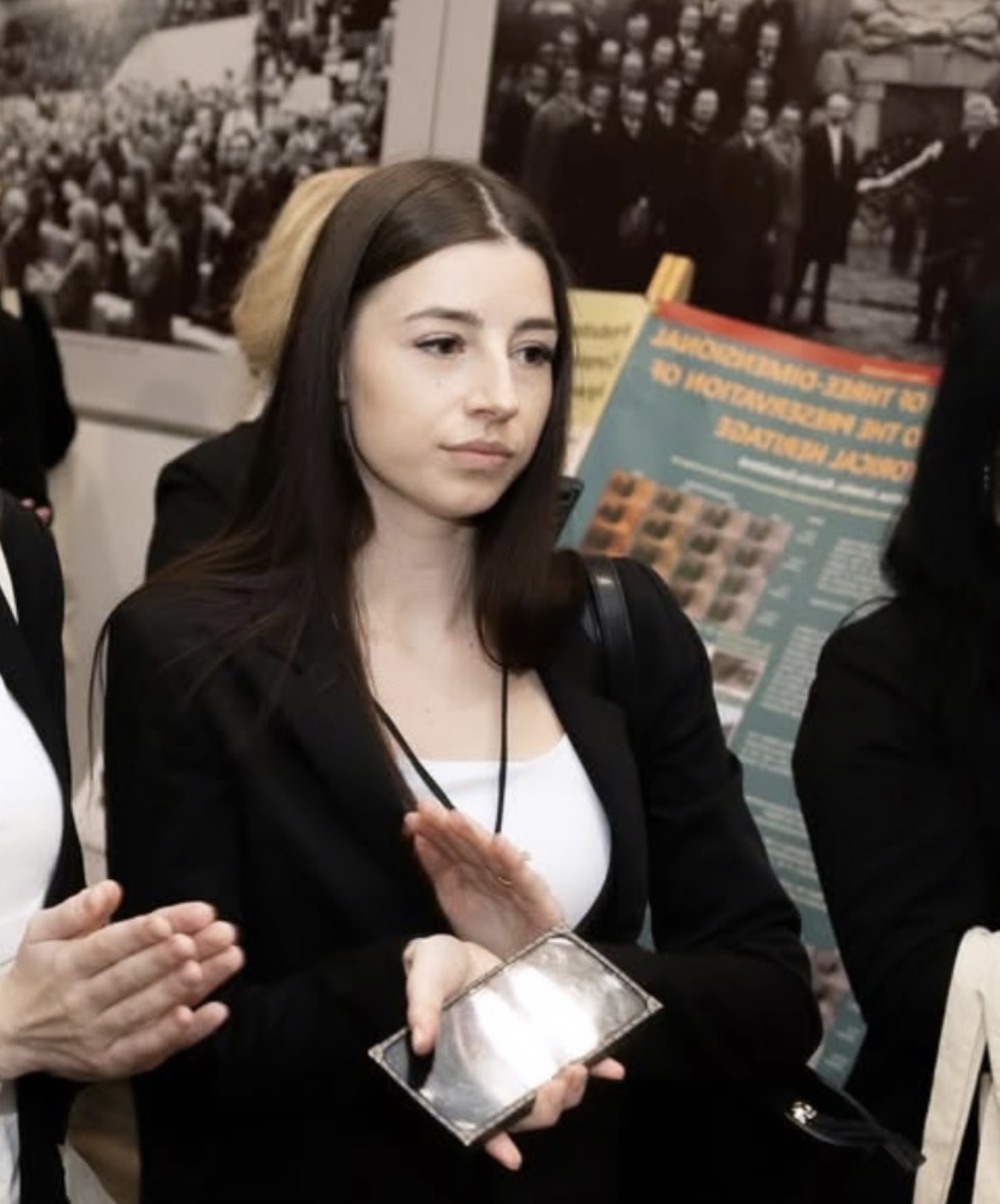
The continuous advancement of three-dimensional graphics technologies and rendering engines has significantly expanded the possibilities for creating photorealistic digital environments. In this context, texturing and lighting play a crucial role, ensuring realism and visual accuracy. These technologies are increasingly applied not only in product design and animation but also in the preservation of cultural heritage, where 3D scanning and reconstruction techniques provide both accessibility and long-term protection. A 3D object is typically defined by its surface and volumetric characteristics, while reconstruction processes rely on linking two-dimensional imagery with spatial geometry. Realism is further enhanced through precise texturing methods—whether procedural or image-based—depending on the visualization software employed. The main objective of this work was to analyze how qualitative parameters of texture synthesis and visualization of three-dimensional historical objects change across different rendering systems.This study investigates the variation of texturing and visualization quality across different rendering engines, including Cycles, V-Ray, and Corona, highlighting differences in speed, noise levels, and colorimetric fidelity. At the same time, it emphasizes the cultural value of such methods. The 3D scanning of the "Cinevilla" movie set beer cellar demonstrates how digital documentation supports restoration efforts and preserves historical heritage. Beyond technical replication, these models serve as digital archives, enable remote exploration, and provide material for educational and touristic applications. In this way, photorealistic 3D visualizations contribute both to technological advancement and to the safeguarding of cultural memory.
This study examines the prospective economic, social, and public health impacts of cannabis legalization in Georgia, situating the discussion within broader global trends toward regulated cannabis markets. Employing a qualitative methodology, the research analyzes legislative developments, media discourse (2015–2025), and comparative case studies from jurisdictions that have implemented legalization. Findings indicate that cannabis legalization could yield substantial economic gains through tax revenue, the creation of new jobs, and growth in cannabis-related tourism. Public health outcomes are projected to improve through enhanced product regulation, harm reduction initiatives, and evidence-based prevention and treatment strategies. Additionally, criminal justice reforms could decrease incarceration rates for nonviolent offenses and redirect resources toward serious crime enforcement. The study concludes that, despite political resistance, a carefully regulated legalization framework presents a viable pathway for advancing Georgia’s economic development and public health objectives.
Technological progress, rapid urbanization, and intensive farming contribute to soil degradation. Therefore, fertilizer industry faces the challenge of improving existing technologies and producing efficient and environmentally friendly products. Valuable organic materials obtained through the proper recycling of food industry, agricultural, and other organic wastes can serve as fertilizers or soil amendments to enhance soil structure, health, and fertility. Accordance the EU Green Deal and circular economy principles, this study aimed to develop granular organic fertilizers from Lithuanian buckwheat processing waste and bone meal generated in animal waste utilization plants. The fertilizers were produced using a laboratory-scale drum granulator from uncleaned buckwheat biomass, husks, husk ash, bone meal, molasses solution, and beaten eggs. The results showed that listed waste can be used to produce eco-friendly fertilizers that help reduce pollution, mitigate soil degradation, and increase soil organic matter.
Small and medium-sized fabricators face increasing challenges from stricter quality standards, shortages of TIG welders, and fluctuating energy prices. This study explores replacing manual TIG fillet welding of carbon and stainless steel with a compact six-axis collaborative robot (cobot) driving a fibre laser. A literature-based cost model, validated through shop floor trials, demonstrates a significant reduction in seam costs, while the complete Class 1 robotic cell presents a competitive investment. Five coupon test groups and field trials achieved an eighteen-fold increase in productivity, 5.83 times lower energy consumption, excellent bead symmetry, and no failures in bend tests across fifteen parts. Using measured reductions in labor, gas usage, and consumables, an ROI calculator predicts a payback period of three to five months and positive cash flow within six months. These results provide small and medium-sized enterprises (SMEs) with a validated pathway for adopting high-mix, low-volume laser cobot technology, along with a transparent ROI framework.


Presenting at the Lithuanian Parliament was an inspiring and valuable experience that allowed me to share my research on menstrual health and workplace equity with a wider audience. Participating in the event deepened my understanding of its social impact and importance.
– Nida Paulauskaitė; LCC International University
Participating in Plakatai Seime was truly a transformative experience. Having the opportunity to present our research directly to members of Parliament gave me a completely new perspective on how academic work can influence real-world policy and decision-making. The event challenged me to communicate complex ideas in accessible ways and taught me the importance of bridging the gap between research and practice. Standing in the halls of Parliament, sharing our posters with legislators and guests, made me realize that as students, our voices and our work genuinely matter.
Beyond the academic value, this experience built my confidence as a researcher and reinforced my commitment to doing work that creates meaningful impact. I'm incredibly grateful for this unique opportunity and would encourage every student to take part if given the chance. It's not every day you get to contribute directly to democratic discourse in such a tangible way. Wonderful event that gives an opportunity not only to present one's own findings in the chosen field of study, but to collect valuable feedback. The uniqueness of the event provided the opportunity to build an international network among young researchers and dedicated professionals with diverse backgrounds
– Danylo Manuilenko;Ukrainian Catholic University
Presenting at the Posters in Parliament session (“Plakatai Seime”) in Vilnius offered an excellent opportunity to discuss the research’s impact from economic, ecological, and educational perspectives with industry professionals. Conversations with LCC President Marlene Wall, visiting experts, and Professor Harald Mieg helped me improve my English communication skills while exchanging ideas with an international audience. The experience was invaluable in refining how to structure arguments, communicate complex technical concepts clearly, and prepare future presentations. Events like this are especially meaningful for students and researchers interested in advancing education, technology, and societal development.
– Vitas Vaivaras; Kauno Kolegija
Presenting my project at the Lithuanian Parliament was an amazing experience that I’ll never forget.It was inspiring to share my work with others who are passionate about research and creativity. I felt proud and motivated to keep growing in the field of design and to explore how visuals can truly connect with people.
– Milana Leven; Lietuvos Verslo Kolegija
